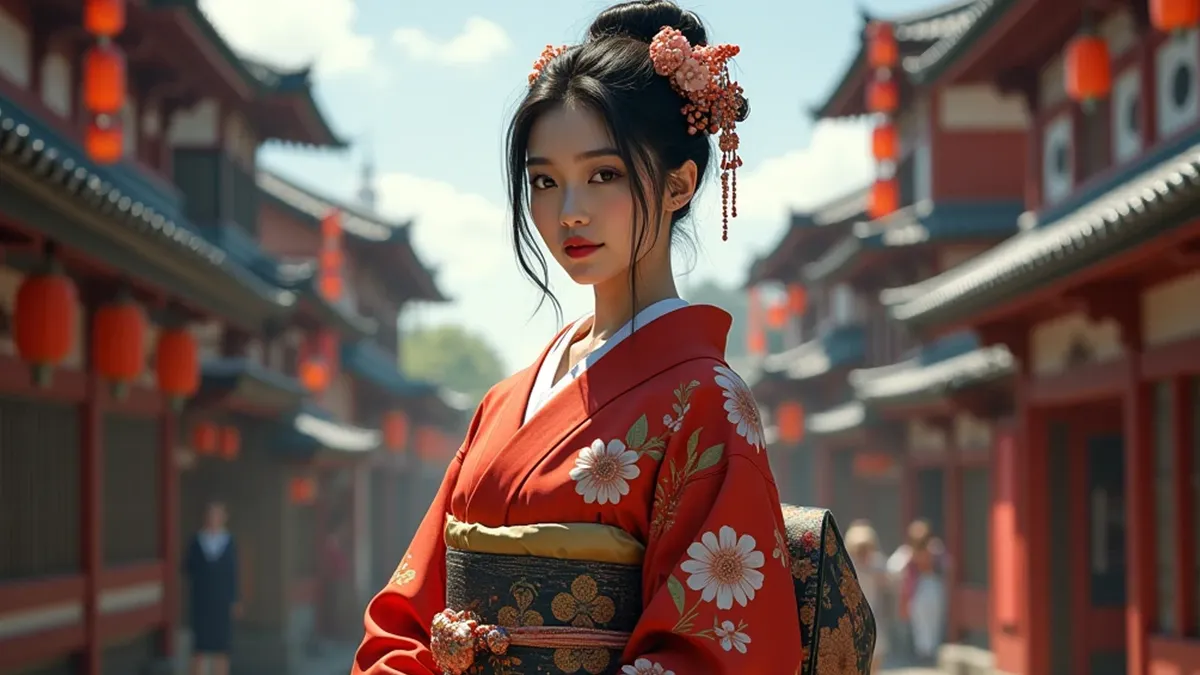

Yoshiwara—a name that once evoked the pinnacle of Edo-period glamour and sophistication. As the capital's sanctioned pleasure district, it was the epicenter of Ukiyo-e art, Kabuki theater, and high fashion. Today, while the wooden gates are long gone, the district has transformed into a poignant destination for those seeking to touch the true soul of old Tokyo.
In this guide, we explore five essential landmarks that reveal the beauty, the tragedy, and the enduring spirit of Yoshiwara.
1. Yoshiwara Shrine (Yoshiwara Jinja)
Originally a consolidation of five smaller Inari shrines from within the district and the neighboring Benzaiten, this shrine was the spiritual heart for the women of Yoshiwara. They came here to pray for success in the arts, business prosperity, and a small measure of peace in their demanding lives.
- Highlights: Visitor numbers rose after Yoshiwara featured in the 2025 Taiga drama "Berabou." Fox statues stand in the grounds, a reminder of the Inari worship the shrine grew out of.
- Spiritual Note: Today, it remains a popular "power spot," believed to grant the diverse wishes of women.
2. Yoshiwara Benzaiten & the Hanazono Pond
Located just steps from the main shrine, this sanctuary features a striking, colorful mural. It is also home to the Yoshiwara Kannon statue, erected to mourn the courtesans who perished in the Great Kanto Earthquake while seeking refuge in the district's pond.
- Atmosphere: The vivid art contrasted with the quiet reflection of the pond area offers a moment of deep historical resonance, bridging the district’s former splendor with its somber past.
3. The Yoshiwara Omon Gate Site & the "Looking-Back Willow"
This was the sole entrance and exit to the walled city of Yoshiwara. While only a monument remains where the grand gate once stood, the legendary "Mikaeri Yanagi" (Looking-Back Willow) still stands nearby.
- The Legend: It earned its name from the male patrons who, upon leaving the district, would pause by this tree to steal one last wistful glance back at the world of illusions they were leaving behind.
4. Jokanji Temple
Often referred to as the "Throw-away Temple" (Nagekomi-dera), this temple is an essential stop for understanding the human cost of the era. It served as the final resting place for courtesans who had no families to claim them. The famous writer Nagai Kafu frequented this temple to pay his respects.
- Historical Depth: The "Shin-Yoshiwara Memorial Tower" stands as a silent witness to the thousands of women buried here, offering visitors a chance to acknowledge the "shadow" side of Edo’s vibrant culture.
5. Sakura-nabe Nakae
To conclude your tour, experience the authentic taste of the district at Nakae, a horsemeat specialty restaurant with over 100 years of history. Located near the former gate site, it is housed in a building designated as a Tangible Cultural Property.
- Culinary Heritage: You can savor Sakura-nabe (horsemeat hot pot), a dish patrons traditionally ate for vitality before or after their visit to the district, all within an exquisite, time-capsule atmosphere.
Frequently Asked Questions (FAQ)
Q: Is it safe for solo female travelers? A: In daylight there is nothing to brace yourself for. Much of the area is a quiet residential neighborhood, and you will often see history buffs and solo travelers exploring the temples and monuments. After dark the streets fill with working venues, so daytime is the calmer time to walk around. Q: When is the best time to visit? A: November is spectacular during the "Tori-no-Ichi" festival at the nearby Otori Shrine. However, for a peaceful historical walk, a weekday morning is highly recommended. Q: Are there any specific photography rules? A: While photography at shrines and public monuments is fine, please be mindful that parts of Yoshiwara still operate as an adult entertainment district. It is proper etiquette to avoid photographing staff, patrons, or the storefronts of modern establishments.We also introduce adult content. If you are interested, please take a look at the link below.
>> Find an Escort Service in Tokyo